Phone:
(877)-898-5303
Physical address:
One Glenlake Parkway Suite 650 &, 700, Atlanta, Georgia 30328

Phone:
(877)-898-5303
Physical address:
One Glenlake Parkway Suite 650 &, 700, Atlanta, Georgia 30328
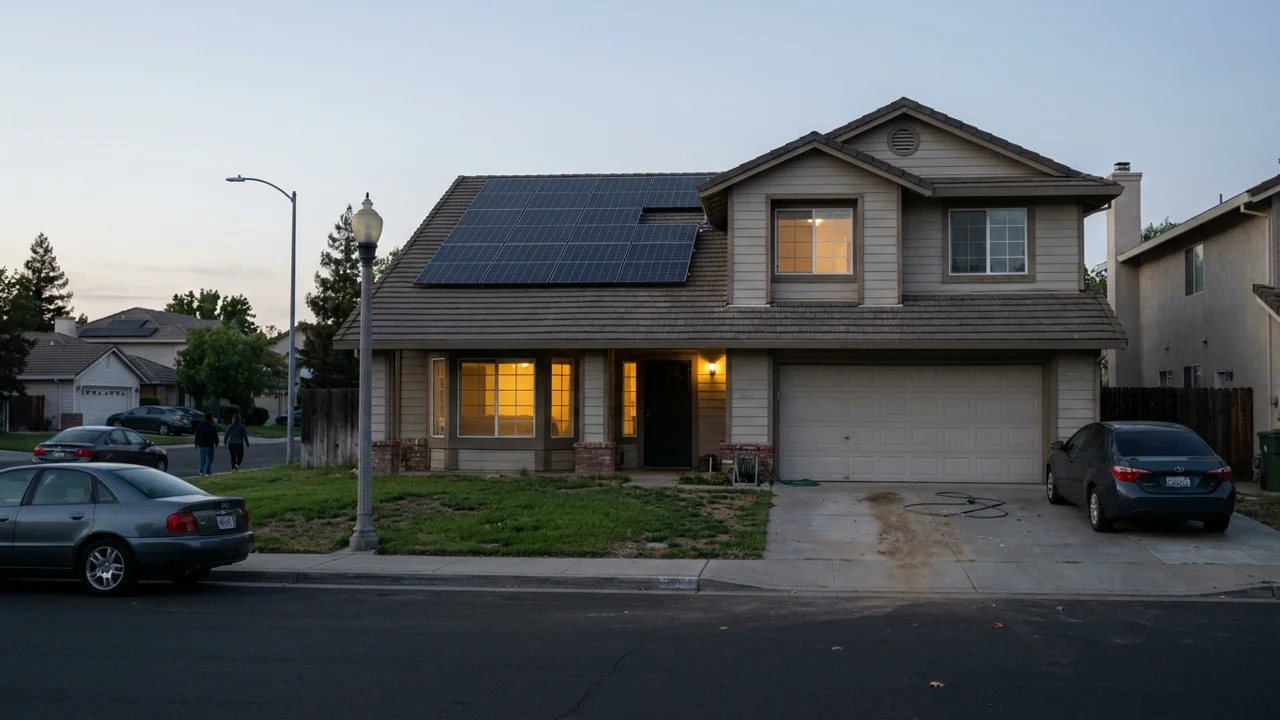
If you are standing at the crossroads of solar decisions, a few questions come up again and again. Should you lease or buy? Are “free solar panels” really free? What do solar panel warranties actually cover? Will your system keep the lights on in a blackout? And is a SmartFlower or a saltwater battery worth the money?
This guide answers those questions in plain language and links to the detailed A1 SolarStore articles behind each topic.
Key takeaways
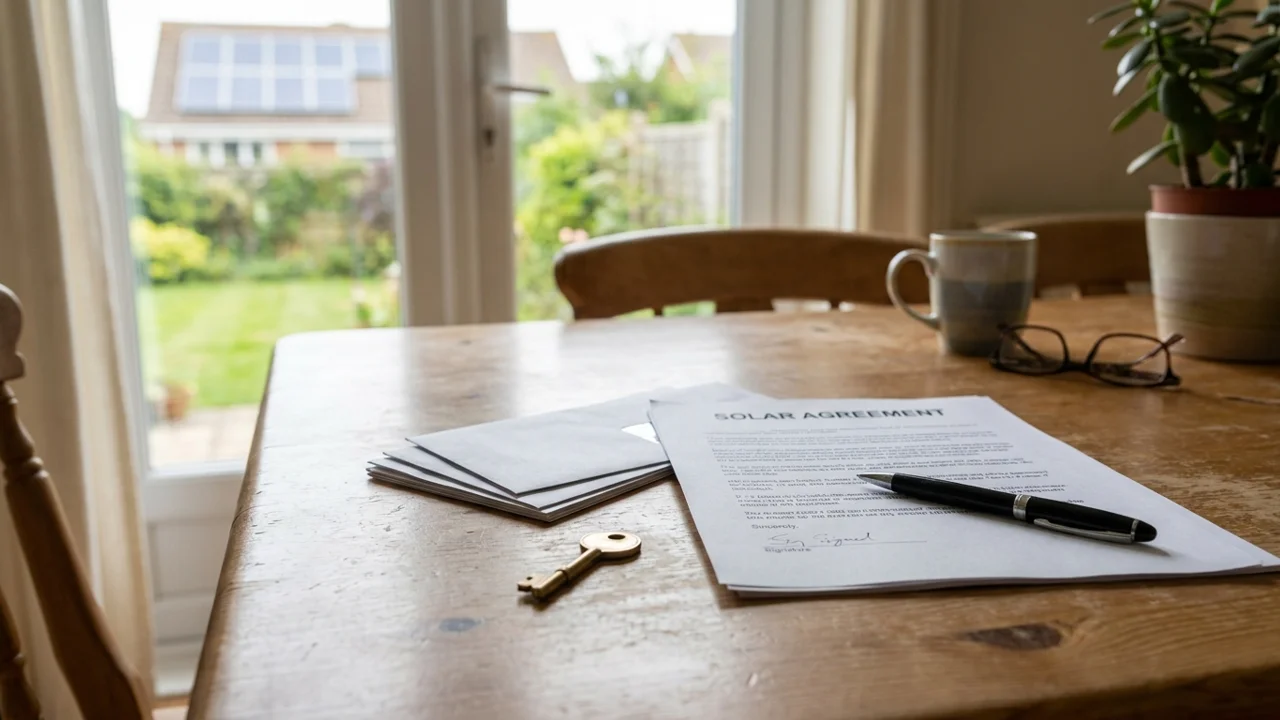
When you buy a system, with cash or a loan, you own the equipment and usually receive the benefit of any incentives you qualify for. When you lease, a company owns the system on your roof and you pay a fixed monthly fee to use it. A power purchase agreement (PPA) is similar, but you pay for each kilowatt-hour the system produces.
| Buy (cash or loan) | Lease or PPA | |
|---|---|---|
| Upfront cost | Higher (or financed) | Often low or none |
| Ownership | You own the system | The company owns it |
| Incentives | You may claim those you qualify for (the federal residential credit, Section 25D, ended for systems placed in service after December 31, 2025) | Any incentives usually go to the system owner |
| Monthly payment | Loan payment, if financed | Lease fee or per-kWh rate, often with an annual escalator |
| Selling your home | Usually adds value and transfers with the house | Contract must be transferred or bought out |
| Long-term cost | Typically lowest over 25 years | Often higher over the contract term |
Searches for “solar lease,” “solar lease vs buy” and “buy vs lease solar panels” show that this is one of the most common decisions homeowners face. Our comparison, is it better to buy or lease solar panels, goes through the numbers, and our guide to solar leasing explains how leases are structured.
Almost never. “Free” typically means zero upfront cost under a lease or PPA. Over a 20-year term you may pay tens of thousands of dollars in total, often with an annual payment increase, and you do not own the system when the contract ends unless you buy it out. Some agreements also place a filing on your property that you must address when you sell or refinance. Read our guide to free solar panel offers before you sign anything.
You may have options: the FTC’s three-day cooling-off rule if you act quickly and signed at home, a negotiated buyout, a transfer to a buyer when you sell the home, or, in some contracts, a hardship or early-termination option. our guide to cancelling a solar lease maps these exit strategies. If you feel pressured or misled, the FTC’s Solar power for your home page explains what to check before and after you sign.
A solar panel warranty is not one document. It is usually three:
The practical risk is that a warranty is only as good as the company behind it. Ask who handles claims, how long the installer has been in business, and what happens if it closes. Keep every contract, serial number and commissioning report in one folder. Our article solar panel warranties goes deeper.
A standard grid-tied system shuts off during a power outage. This is a safety feature, so that your system does not send power into lines that utility crews are working on. To keep the lights on, you usually need a battery and a hybrid or backup-capable inverter, plus a plan for which circuits are backed up.
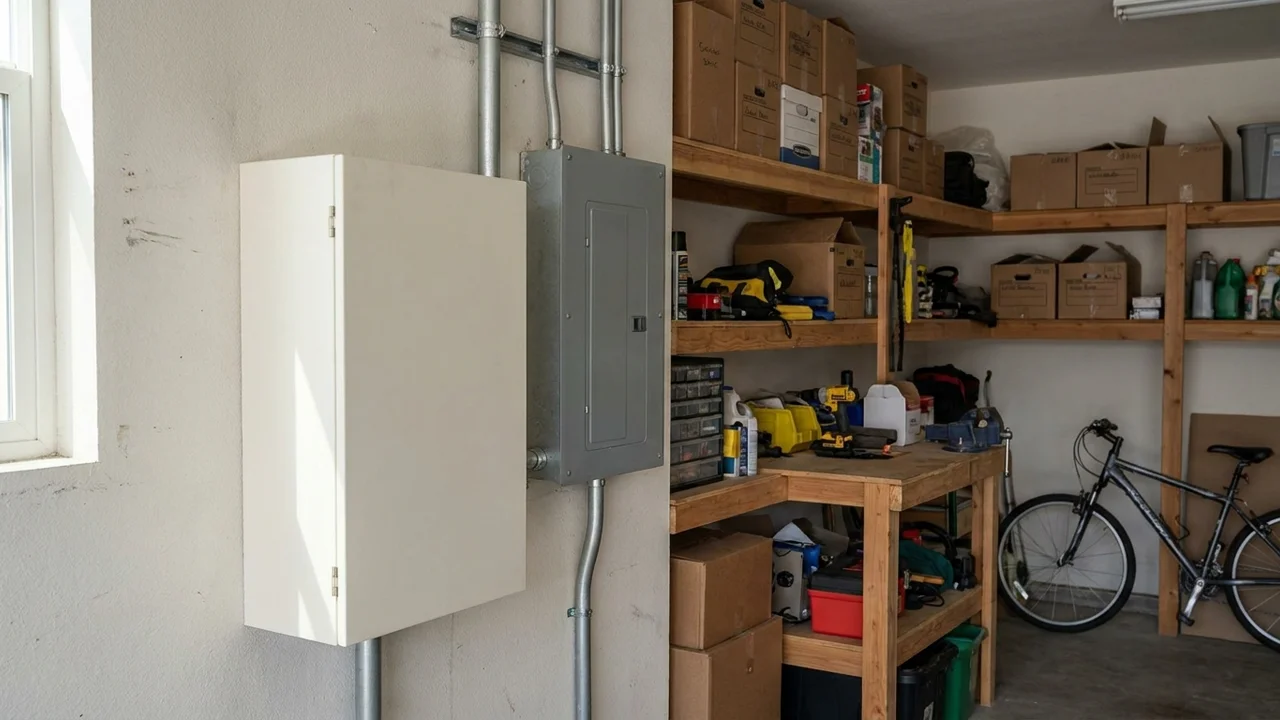
A realistic backup design starts with a list of essential loads, such as the refrigerator, lights, internet and a medical device, and adds up their power and daily energy use. Backup typically adds $10,000 or more to the budget, and the size depends on how many hours or days you want to cover. Read Do solar panels work in a blackout? and our solar battery guide for sizing basics. You can also read the DOE overview of inverters and grid services.
A saltwater battery uses a water-based electrolyte instead of the lithium chemistry found in most home batteries. Its main selling points are non-toxic materials, low fire risk and tolerance for deep discharge. Its drawbacks are lower energy density, which means more space for the same capacity, and a much smaller choice of products and installers than lithium. Before you buy, confirm warranty terms and long-term manufacturer support. Our article our saltwater battery guide compares them with the alternatives.
SmartFlower is a dual-axis, flower-shaped solar product that tracks the sun. It is distinctive and ground-mounted, so it does not need roof space, but according to A1 SolarStore’s analysis it costs much more per watt than conventional rooftop panels, covers only part of an average home’s energy use and has multiple moving parts. If appearance matters more than cost, it may fit. If you want the lowest cost per kilowatt-hour, traditional panels usually win. Read our SmartFlower review and our guide to solar arrays for sizing and roof requirements.
Community solar lets you subscribe to a share of a larger solar project and receive credits on your electricity bill. It suits renters, homeowners with shaded or unsuitable roofs, and anyone who prefers a lower commitment. Programs and savings vary by state and utility, so check availability where you live. See our community solar guide and the DOE community solar basics. For daylighting rather than electricity, our guide to solar tubes covers a simple alternative.
For most homeowners who plan to stay in their home, buying has the lowest lifetime cost. Leasing can make sense if you cannot pay upfront or do not want to own the equipment, but you should compare the total cost over the contract term.
No. Free solar usually means a lease or power purchase agreement with zero upfront cost but ongoing payments, and the company that owns the system generally keeps the benefits of ownership.
Standard grid-tied systems shut down during an outage for safety. To have power during a blackout you usually need a battery and a backup-capable inverter.
Usually three things: the equipment itself, the panels’ output over time, and the installer’s workmanship. Each may come from a different company.
They are safer and non-toxic but larger and less widely available. Lithium batteries are more compact and more common, so the better choice depends on your space, budget and installer support.
A program that lets you subscribe to a share of a shared solar project and receive credits on your electric bill without installing panels at home.