Phone:
(877)-898-5303
Physical address:
One Glenlake Parkway Suite 650 &, 700, Atlanta, Georgia 30328

Phone:
(877)-898-5303
Physical address:
One Glenlake Parkway Suite 650 &, 700, Atlanta, Georgia 30328

A home solar proposal can look simple: panels, price, savings, signature. The details decide whether the system performs the way the quote promises. A strong solar quote does not only tell you what the system costs. It explains why that system fits your home, your electricity use and your budget.
This checklist covers what a proposal should show, what to question, and how to compare two offers fairly. For a deeper look at how panel performance affects production, see this guide to solar panel efficiency and panel selection.
Key takeaways
A solar system should be sized around the household’s actual electricity use, not around a standard package. Two homes with the same square footage can use very different amounts of electricity depending on climate, appliances, insulation, EV charging and work-from-home habits.
The proposal should list 12 months of past usage in kilowatt-hours and show what share the system is expected to cover. Ask whether the design accounts for changes you expect soon:
If the quote is based only on last year’s bill and you plan to add a large load, the system may feel undersized in two years.
A good proposal includes a layout showing which roof planes hold panels and why. South-facing roof areas are often the best choice in the northern hemisphere, but east- and west-facing sections can still make sense depending on your utility rates and daily usage pattern.
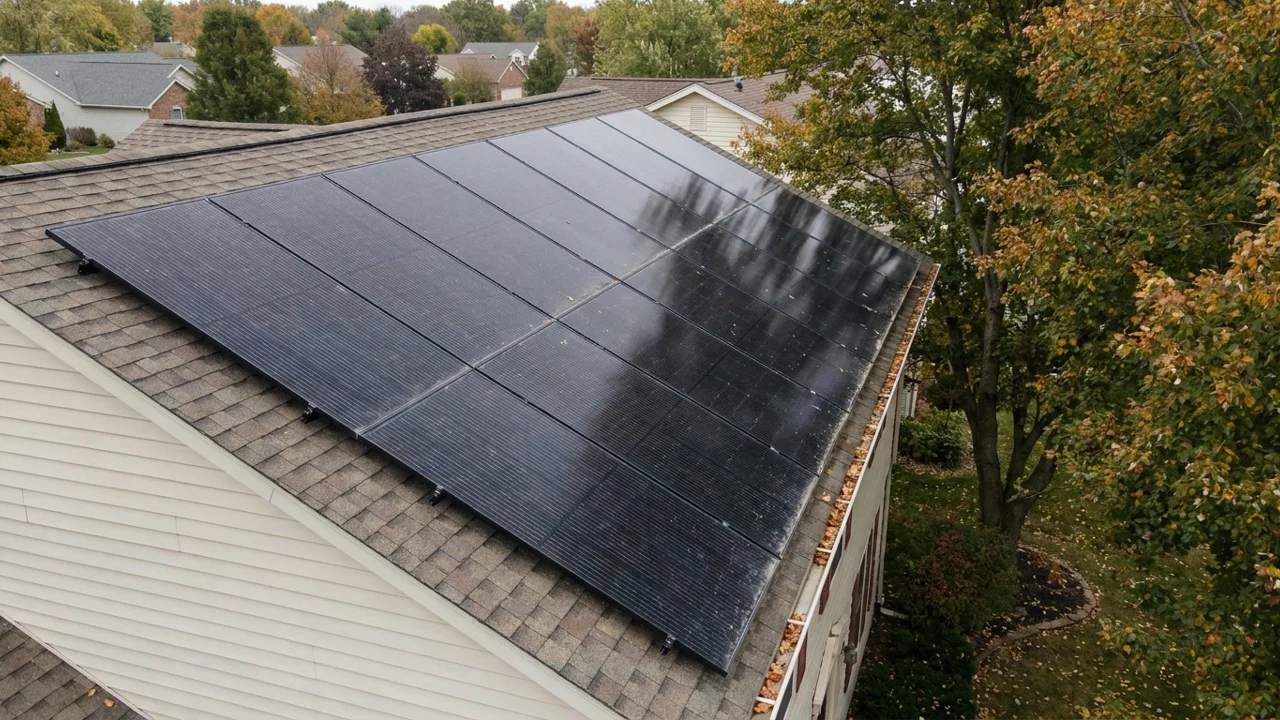
Trees, chimneys, vents and neighboring buildings reduce production. The proposal should state how shading was measured, for example with an on-site survey or satellite modeling, and how the design reduces its effect. If shading is ignored in the quote, it will show up later in the production numbers.
The proposal must name the panel manufacturer and model, not just “premium panels.” Then check:
The best panel is not always the most powerful one on paper. It is the panel that fits your roof, your budget and your long-term plans. You can compare current options in the solar panels for sale range.
The inverter converts the direct current from the panels into the alternating current your home uses, and a central string inverter is the component most likely to need replacement during the system’s life.
| Design | How it works | Typical strengths | Things to ask |
|---|---|---|---|
| String inverter | One inverter for a string of panels | Lower cost, simple design | Shading on one panel can reduce the whole string |
| String inverter plus optimizers | Module-level electronics with a central inverter | Better shade tolerance and module monitoring | Extra components under each panel |
| Microinverters | One small inverter per panel (some models serve two to four panels) | Panel-level performance, flexible layouts, long warranties | Higher cost per watt, more units to maintain |
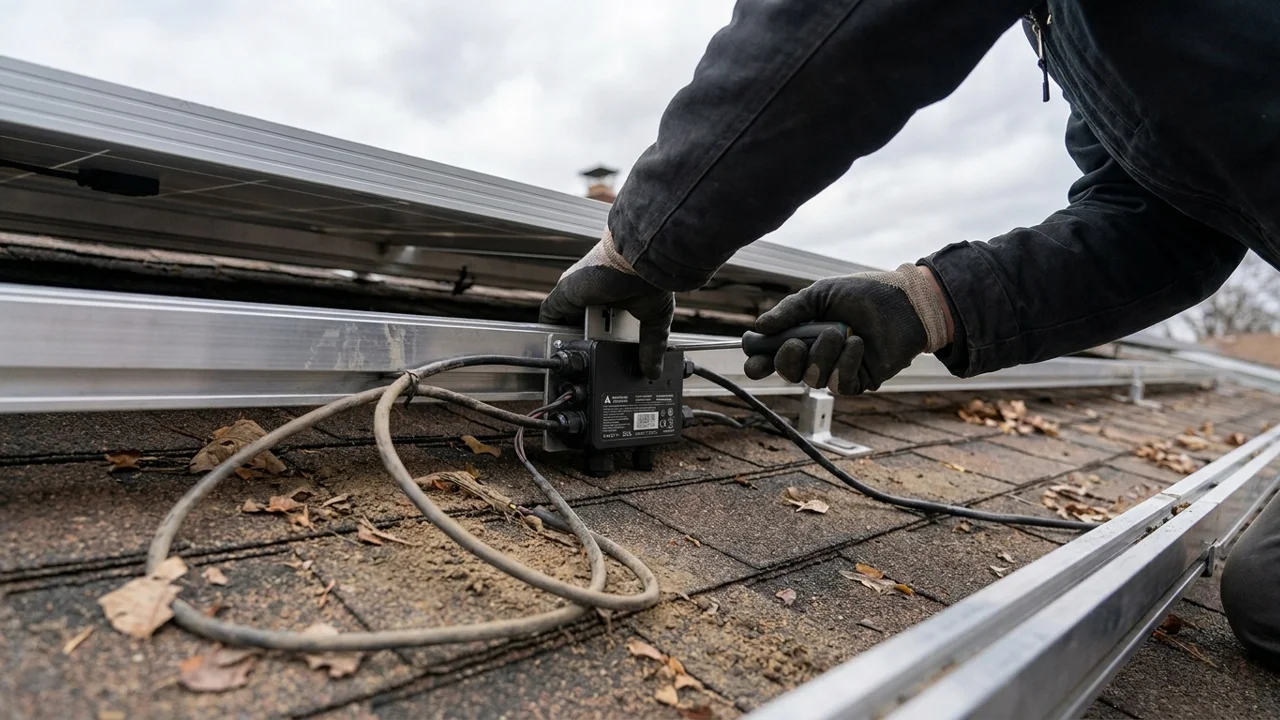
When people search “microinverter vs string inverter,” the right answer depends on shading, roof complexity and budget. The proposal should explain why the installer chose a particular design and how monitoring works. See also the power inverters range for the equipment types available.
A savings number means little without the assumptions behind it. Look for:
Be careful with a perfect-looking payback period. Incentives, utility rate structures and net metering rules change often and differ by state. The federal residential clean energy credit (Section 25D) is not available for systems placed in service after December 31, 2025, so a quote for a system you buy and install in 2026 should not count it. Ask the installer which state, local or utility incentives the quote assumes, and verify them with your tax professional and official sources such as the IRS residential clean energy credit page.
A low monthly payment can hide a high total cost. For a loan, check the interest rate, term, fees and what happens if you sell the house. For a lease or power purchase agreement, check the escalator, buyout terms and any lien or filing on the property. Our guide to buying versus leasing explains the trade-offs in detail.
A realistic schedule includes the site survey, design, permitting, installation, inspection and utility permission to operate. Ask for a written estimate of each stage. A system that is installed but cannot be switched on until the utility approves it is still not producing savings.
Solar warranties come from different parties, and a vague line like “25-year warranty” can mean several different things. The proposal should separate:
Find out who honors each warranty and what happens if the installer goes out of business. Our article on solar panel warranties covers the common traps.
A battery can provide backup power and help you use more of your own solar energy, but it adds cost. A proposal that offers one should say which loads it will back up, for how long, and how it behaves during an outage. Standard grid-tied systems usually shut down during a blackout for safety reasons, so backup power usually requires a compatible (hybrid or backup-capable) inverter and a battery. See our guide to solar batteries for the main battery types.
Compare at least two or three proposals on the same basis. If a number looks too good, ask for the assumption behind it. A trustworthy installer will welcome the questions.
A solar quote should list the system size, panel and inverter models, expected production, the roof layout, total cost, incentives assumed, financing terms, warranties and the installation timeline.
Compare cost per watt, equipment models, warranty terms, production estimates and financing terms. Make sure each quote uses the same assumptions about incentives and electricity rates.
Not always. Microinverters handle shading and complex roofs well and often come with longer warranties, while string inverters cost less and work well on simple, unshaded roofs.
Divide the net system cost after incentives by the expected annual savings. The result depends on your electricity rate, production, degradation and any financing costs.
Look for a product warranty on the equipment, a performance warranty on panel output over time, and an installer workmanship warranty. Make sure you know who honors each one.