Phone:
(877)-898-5303
Physical address:
One Glenlake Parkway Suite 650 &, 700, Atlanta, Georgia 30328

Phone:
(877)-898-5303
Physical address:
One Glenlake Parkway Suite 650 &, 700, Atlanta, Georgia 30328
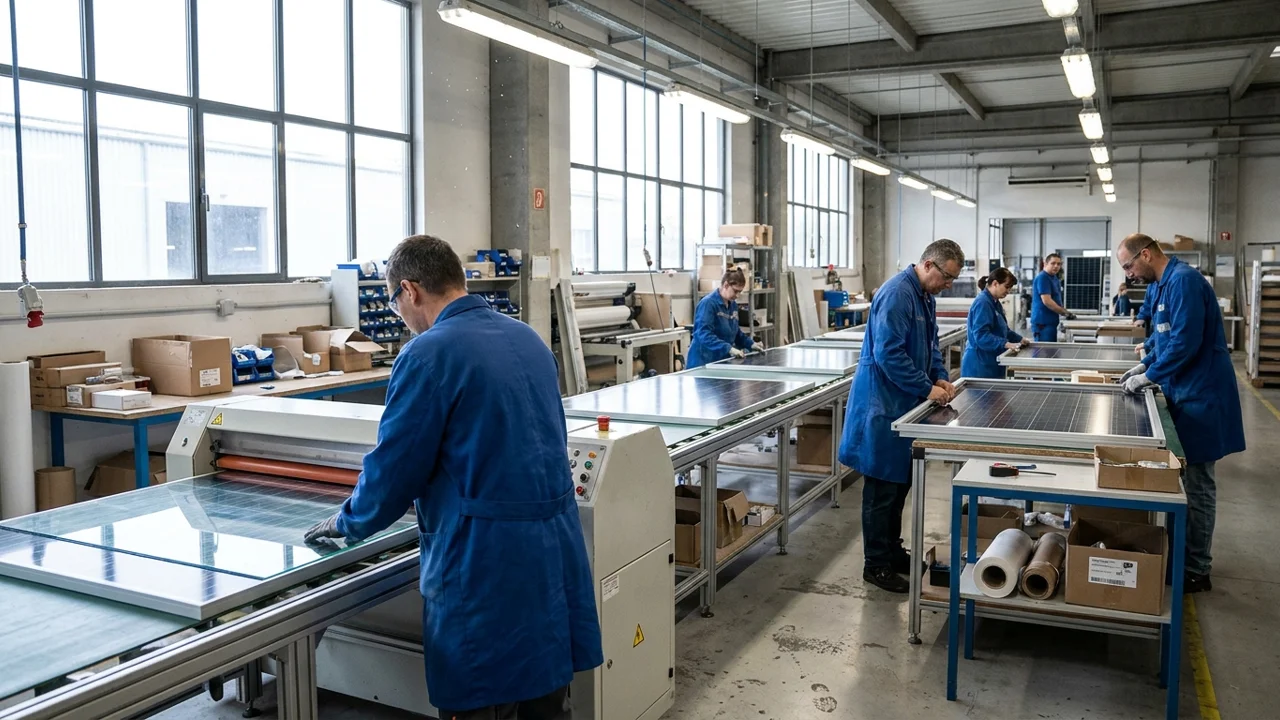
The solar market has changed fast. Manufacturers that were regional players a decade ago now ship around the world, and new entrants in India, North America, South Korea, China and the Gulf compete on price, technology and bankability. If you are comparing solar panel manufacturers, it helps to know both who is out there and how to judge them.
A1 SolarStore has published a series of ten solar panel brand reviews, each following the same template: geography, power and efficiency ranges, warranties, price positioning and best-fit segments. This article summarizes what they show and adds a checklist you can use for any brand.
Key takeaways
| Brand | Region or angle highlighted in the review | Review |
|---|---|---|
| Sonali Solar | India: an established group represented in US, Asia-Pacific and European markets, with little public company information | Sonali Solar panels review |
| Adani Solar | India: large vertically integrated manufacturing focused mainly on commercial and utility projects | Adani Solar panels review |
| Heliene | Canada and US: Ontario-based maker with plants in Ontario, Minnesota and Florida, helped by policy that favors domestic panels | Heliene solar panels review |
| Mitrex | Canada: building-integrated PV where facades and aesthetics matter | Mitrex solar panels review |
| First Solar | United States: thin-film CdTe modules for large projects and hot climates | First Solar panels review |
| S-Energy | South Korea: a Samsung Electronics spin-off focused mainly on its domestic market | S-Energy solar panels review |
| Seraphim | China: a mid-sized producer competing on portfolio breadth and value | Seraphim solar panel review |
| Magnus Green Solar | US-headquartered brand with an automated factory in Dubai | Magnus Green Solar panels review |
| mSolar | A complex corporate background used to illustrate why warranties and transparency matter | mSolar solar panels review |
| Thornova | A young, Tier-1-listed US brand with Vietnamese production and a lineup from residential to utility scale | Thornova Solar panels review |
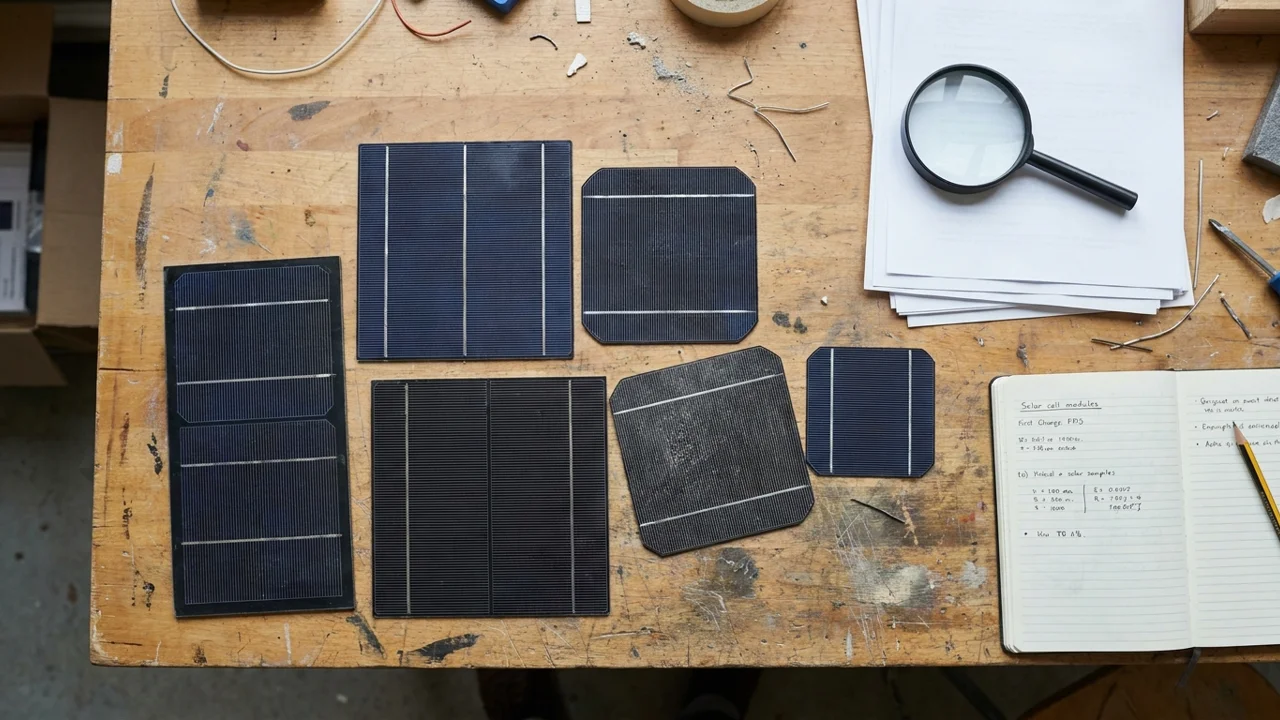
Indian manufacturers are reaching export markets. The Sonali review describes a broad 100–630 W range, and the Adani review describes large-format modules aimed mainly at commercial and utility projects.
North America has several distinct manufacturing stories. Heliene represents regional manufacturing, with plants in Ontario, Minnesota and Florida, and policy-driven demand. Mitrex focuses on building-integrated PV, where a panel is also a facade. First Solar uses thin-film cadmium-telluride modules designed for large-scale projects and hot climates. Domestic manufacturing in North America now spans very different technologies and niches.
Asia and the Middle East are not only low-cost production zones. S-Energy, a Samsung Electronics spin-off, shows a South Korean maker focused mostly on its home market. Seraphim, at around 13 GW of capacity, is a mid-sized Chinese producer competing on breadth of portfolio and value for money. Magnus Green Solar, a US-headquartered brand with an automated factory in Dubai, shows the Gulf emerging as a production base and not only a project host.
Risk and bankability are core themes. The mSolar review shows why a long warranty must be read alongside company history and transparency. The Thornova review shows how a young manufacturer can build credibility through scale and third-party recognition such as BNEF Tier 1 status.
If you want to compare specific brands on the market today, browse Qcells, Longi, REC and JA Solar, or the full solar panels for sale catalogue.
There is no single best manufacturer. The best choice depends on your roof, budget, climate and the warranty support available where you live. Compare datasheets, warranties and track record rather than relying on a ranking.
Tier 1 is a bankability list published by BloombergNEF. It includes manufacturers whose modules have been used in several bank-financed utility-scale projects. It does not rate panel quality, performance or the company’s financial health.
Not by itself. Quality depends on the manufacturer’s process, materials, testing and warranty, not on the location of the factory.
Warranty length and who backs it, certifications, efficiency, degradation rate, temperature coefficient, availability, support and price per watt.
They can be, because a long warranty is only valuable if the company is around to honor it. Check ownership, scale, certifications and third-party recognition before you buy.