Phone:
(877)-898-5303
Physical address:
One Glenlake Parkway Suite 650 &, 700, Atlanta, Georgia 30328

Phone:
(877)-898-5303
Physical address:
One Glenlake Parkway Suite 650 &, 700, Atlanta, Georgia 30328
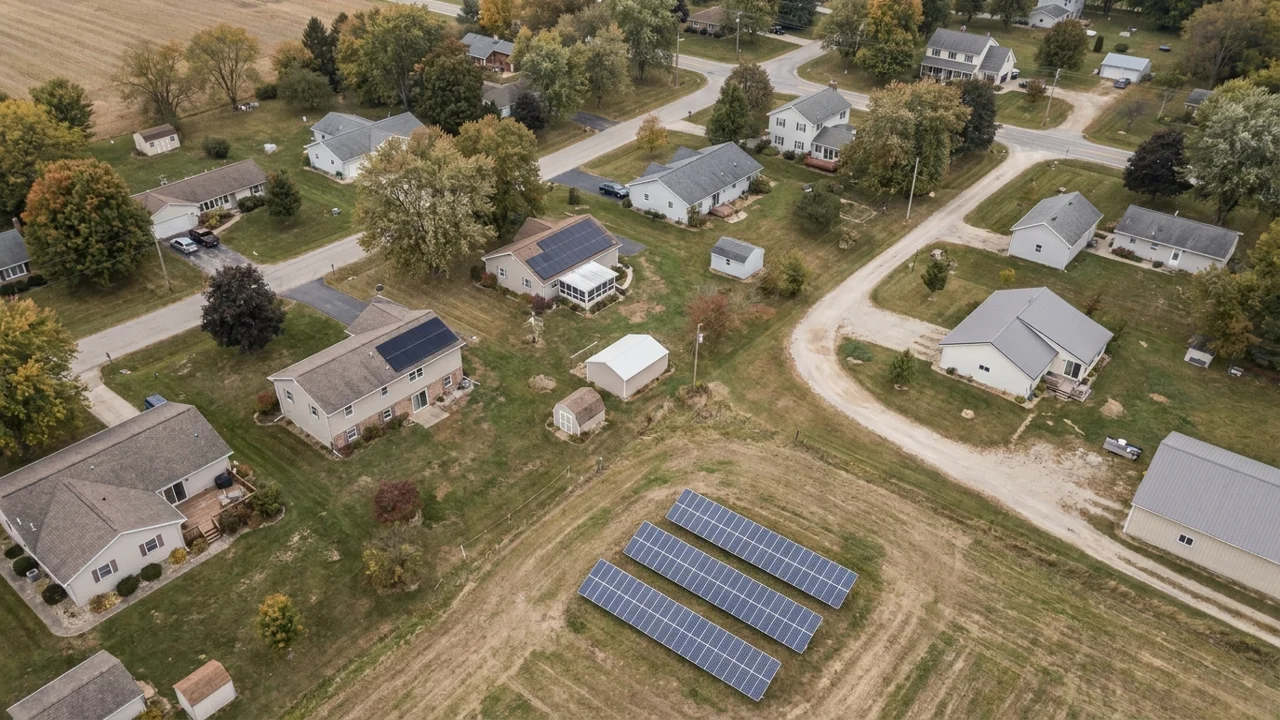
Solar is local. The same panel earns a different return in Salt Lake City, Houston and Atlanta, because electricity prices, utility export rules, incentives, sun and weather are different. These Avolta location guides explain, state by state, which state solar incentives and utility rules apply and what matters before you buy panels, pallets, inverters or batteries.
Key takeaways
| State | The headline to know | Guide |
|---|---|---|
| Utah | No state residential solar credit for systems installed in 2024 or later; Rocky Mountain Power pays a seasonal export rate | Solar panels in Utah |
| Colorado | No state income tax credit; sales and use tax and property tax exemptions help | Solar panels in Colorado |
| Texas | No statewide net metering mandate, so compare retail buyback plans; property tax exemption | Solar panels in Texas |
| Idaho | An income tax deduction rather than a credit; Idaho Power’s export rates vary by season and time | Solar panels in Idaho |
| North Carolina | The state credit expired in 2016; a property tax exclusion and Duke Energy programs remain | Solar panels in North Carolina |
| South Carolina | A state income tax credit of 25% of system cost, up to $3,500 a year | Solar panels in South Carolina |
| Minnesota | Net metering for systems under 40 kW and Xcel Solar Rewards; sales and property tax exemptions | Solar panels in Minnesota |
| Virginia | Statewide tax exemption for small residential and farm systems; different utilities, different rules | Solar panels in Virginia |
| Georgia | No statewide incentive; Georgia Power’s export credit differs from co-ops and city utilities | Solar panels in Georgia |
For state rankings and incentive overviews, see A1 SolarStore’s State Solar Power Rankings and state solar incentives pages, and browse the full solar panels for sale catalog.
Avolta publishes solar equipment guides and works with its supplier partner, A1 SolarStore, which sells panels, pallets, inverters and batteries. For installation and permitting, ask local licensed installers for quotes and compare them using our checklist.
It depends on what you count. Some states offer income tax credits or deductions, others offer property or sales tax exemptions, and others rely on utility export rates. Read the guide for your state and verify current terms with your utility.
The residential clean energy credit (Section 25D) is not available for systems placed in service after December 31, 2025. Business credits follow different rules. Check the IRS page and ask a tax professional about your situation.
States set tax rules and regulate utilities, and each utility files its own tariffs for connecting systems and crediting exported power. That is why two neighbors in different utility territories can see different returns.
Each state guide lists a contact email, phone number and, where available, an office address.