Phone:
(877)-898-5303
Physical address:
One Glenlake Parkway Suite 650 &, 700, Atlanta, Georgia 30328

Phone:
(877)-898-5303
Physical address:
One Glenlake Parkway Suite 650 &, 700, Atlanta, Georgia 30328
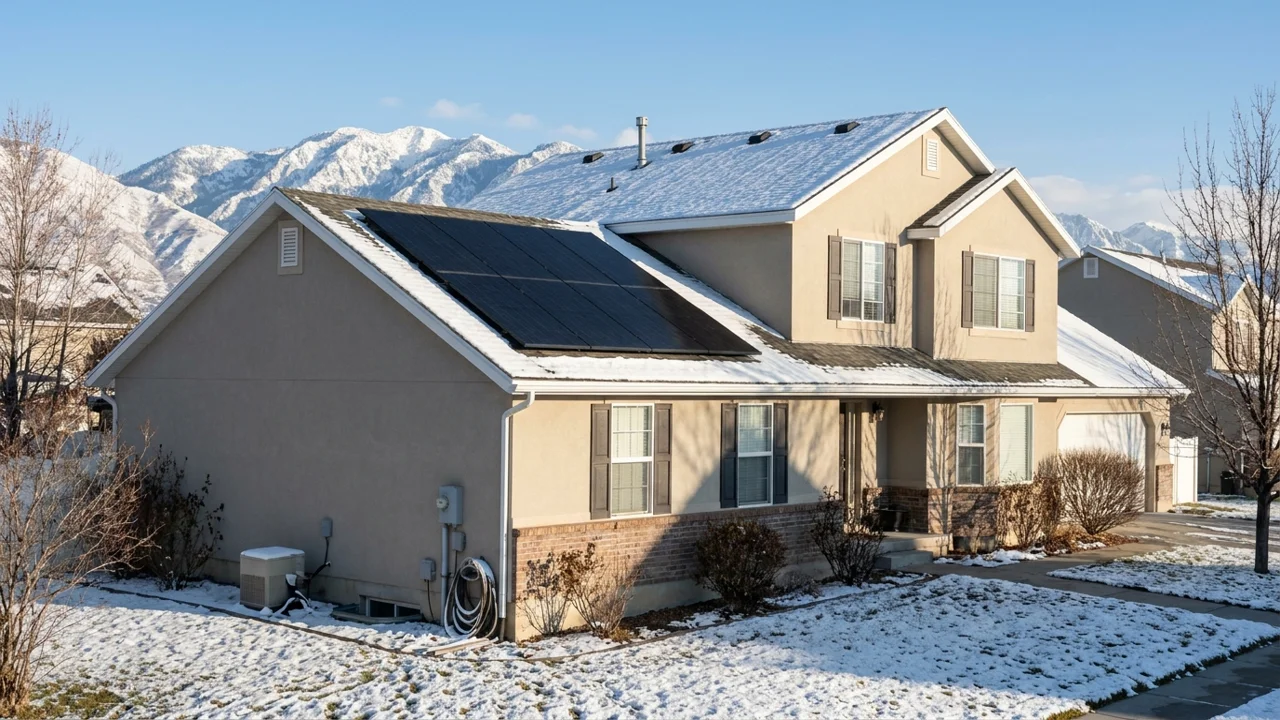
Utah is one of the sunniest states in the West, yet it also has some of the cheapest residential electricity in the country and an export credit that pays far less than the retail rate. That combination changes what a good solar purchase looks like in Utah. A system sized to cover what you use during the day, often paired with a battery, usually makes more sense than an oversized array built to sell power back. This guide covers prices, Rocky Mountain Power’s net billing rules, incentives that still exist in 2026, and the equipment choices that suit Utah’s snow, cold and desert heat.
Key takeaways
| Metric | What to know | Source/date |
|---|---|---|
| Average residential electricity price | 13.12¢/kWh in July 2026; 13.16¢ year to date (Jan–Jul 2026), up 3.4% on 2025 | EIA Electric Power Monthly, Sept 2026 release |
| Main utilities | Rocky Mountain Power (PacifiCorp) sold about 73% of Utah’s residential electricity in 2024; Provo, St. George, Dixie Escalante REA and Moon Lake Electric follow | EIA Utah electricity profile, 2024 data |
| Export compensation | Net billing (Schedule 137): 4.855¢/kWh June–September, 4.033¢/kWh October–May; residential systems up to 25 kW | Rocky Mountain Power Schedule 137, effective Mar 1, 2026 |
| Sun resource | About 5.4 peak sun hours a day on an optimally tilted panel in Salt Lake City and about 6.5 in St. George; about 1,600 and 1,870 kWh per kW per year | Global Solar Atlas, long-term averages, retrieved Oct 2026 |
| State incentives | No residential solar tax credit after 2023; commercial credit of 10% up to $50,000 for systems placed in service by January 1, 2028 | Utah Office of Energy Development, checked Oct 2026 |
Utah’s low rates are the main reason solar pays back more slowly here than in high-price states. EIA puts Utah’s year-to-date residential average at 13.16¢/kWh through July 2026, compared with 18.19¢ nationally. Rocky Mountain Power serves most homes along the Wasatch Front, while cities such as Provo and St. George and cooperatives such as Dixie Escalante run their own utilities with their own solar rules. If your bill does not say Rocky Mountain Power, ask your utility for its customer-generation tariff before you size a system.
Full retail net metering is closed in Utah. Rocky Mountain Power keeps older customers on grandfathered Schedule 135 and transition Schedule 136, but new systems go on Schedule 137 net billing. You pay the normal rate for every kWh you draw from the grid. Exports are credited at the rates above, which are reset each March. Credits carry forward month to month, but any left at the March meter read expire.
In practice, every kWh your home uses directly is worth roughly three times as much as one you export. That favors:
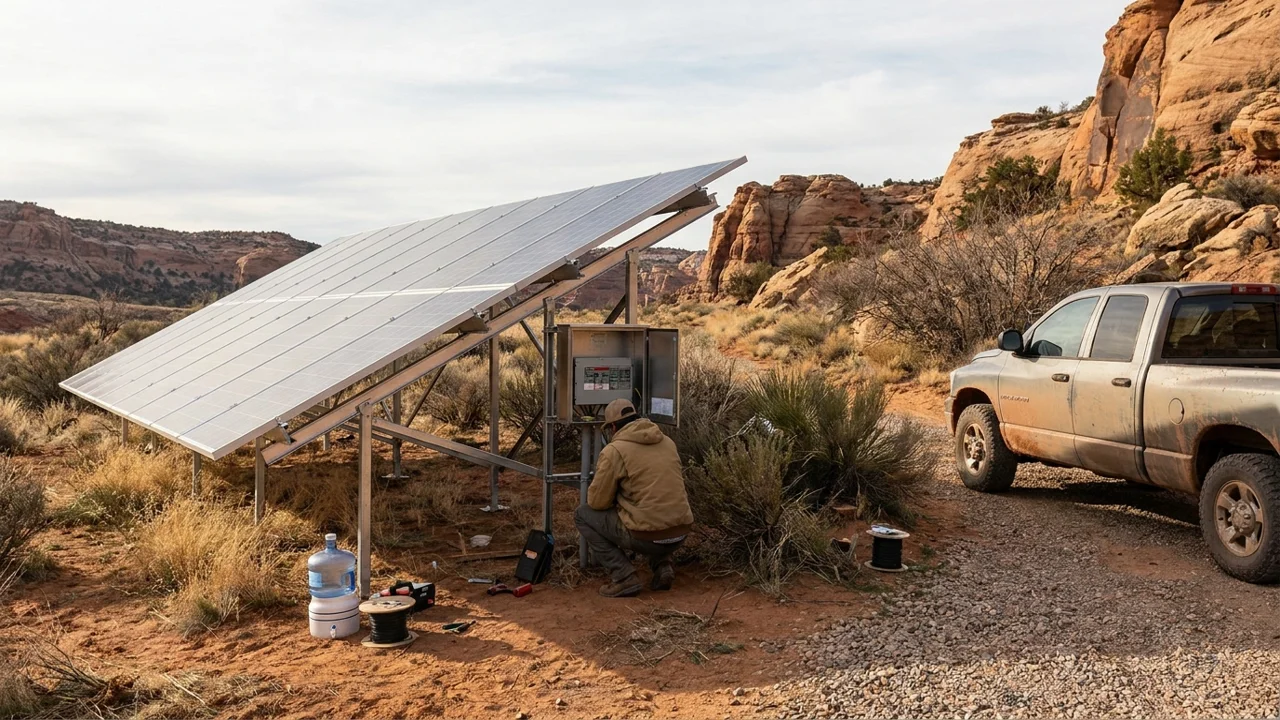
For a typical Wasatch Front home, a self-consumption design works best: a moderately sized array, a hybrid inverter that is battery-ready, and a battery on the Wattsmart eligible list if you want the incentive. Compare brands, wattage and price per watt in the solar panels for sale range, and read A1 SolarStore’s Utah solar guide for state-specific product options.
Farms, ranches and businesses with large daytime loads can use more panels before exports dominate, and a non-residential system can be up to 2 MW under Schedule 137. For those projects, compare commercial solar panels and wholesale panels by the pallet. Our guide to buying solar panels by the pallet explains freight and price per watt. If you are comparing installer quotes, check that the savings are modeled on export credits, not on the retail rate, using our checklist of what a home solar proposal should explain. For battery and backup trade-offs, see our solar energy deep dive.
You will need a building and electrical permit from your city or county and an interconnection agreement with your utility before you switch on. For Rocky Mountain Power, a Level 1 interconnection review costs $60. Inverter-based systems of 10 kW or less do not need a separate utility disconnect switch, while larger systems need a lockable switch within 10 feet of the meter (Schedule 137). Installers submit applications through Rocky Mountain Power’s customer generation portal.
Email: [email protected]
Phone: 801-618-2079
1640 S State St, Orem, UT 84097
It can be, but payback is slower than in high-price states. Utah’s residential average was 13.12¢/kWh in July 2026 (EIA), and Rocky Mountain Power credits exports at about 4–5¢/kWh, so savings depend mostly on how much solar power you use on site.
Not for homes. Residential solar installed in 2024 or later does not qualify for Utah’s Renewable Energy Systems Tax Credit; the $1,200 figure some sites quote was the 2021 limit. Commercial systems can claim 10% up to $50,000 if placed in service by January 1, 2028.
Under Schedule 137 you pay the retail rate for grid power and receive 4.855¢/kWh for exports from June through September and 4.033¢/kWh from October through May (rates effective March 1, 2026). Credits roll forward monthly and expire at the March meter read.
Not as a homeowner for a system placed in service after December 31, 2025, according to the IRS. Business projects follow different rules, so check with a tax professional.
Size it to your daytime and evening use rather than your full annual bill, because exported power earns far less than the retail rate. Add a battery if you want to use more of your own production.