Phone:
(877)-898-5303
Physical address:
One Glenlake Parkway Suite 650 &, 700, Atlanta, Georgia 30328

Phone:
(877)-898-5303
Physical address:
One Glenlake Parkway Suite 650 &, 700, Atlanta, Georgia 30328
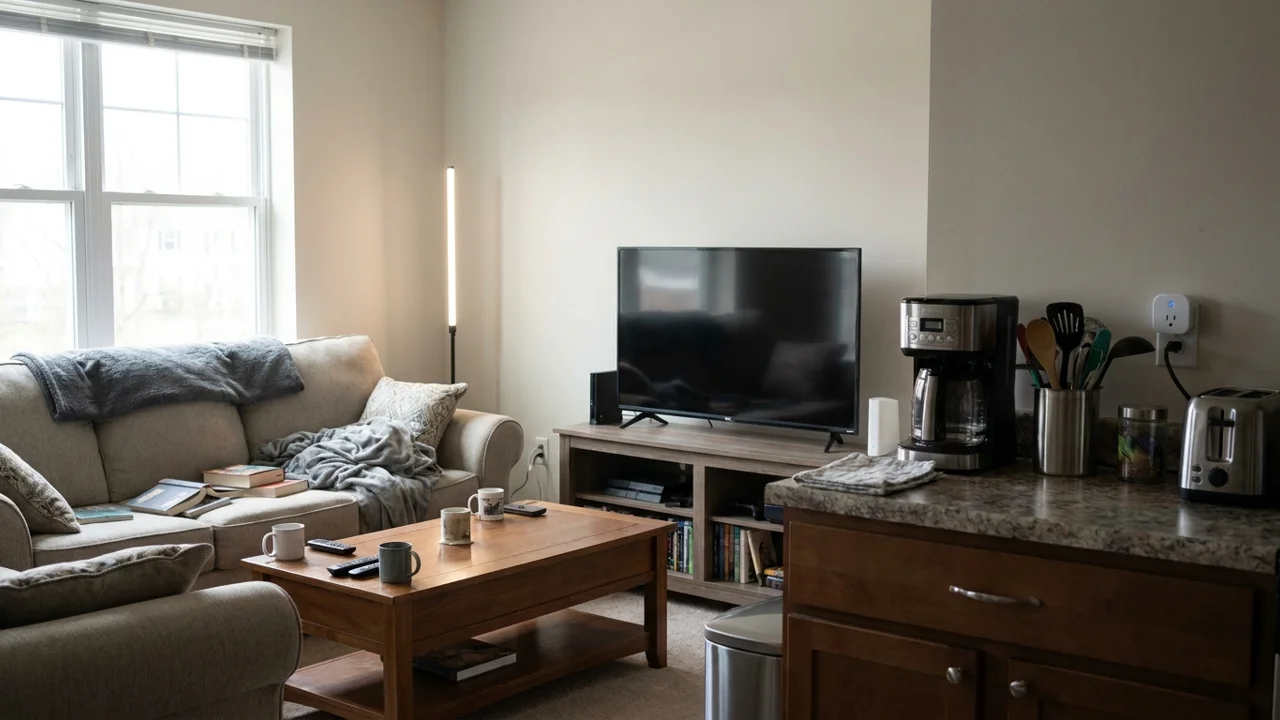
Saving on electricity does not have to be complicated. A few smart choices at home, and maybe some solar help, can bring your bills down. The first step is knowing where the energy goes. The second is knowing when it costs most. The third is deciding whether a small solar upgrade makes sense.
This guide uses simple numbers you can check yourself, and links to the detailed A1 SolarStore articles on each topic.
Key takeaways
Your bill usually has two parts: the energy you use (kWh) and fixed charges. Some utilities also charge for demand or use different rates at different times of day. The article What Is a Utility Bill? Making Sense of Your Home Utilities explains each line. The U.S. Energy Information Administration also publishes data on how homes use electricity.
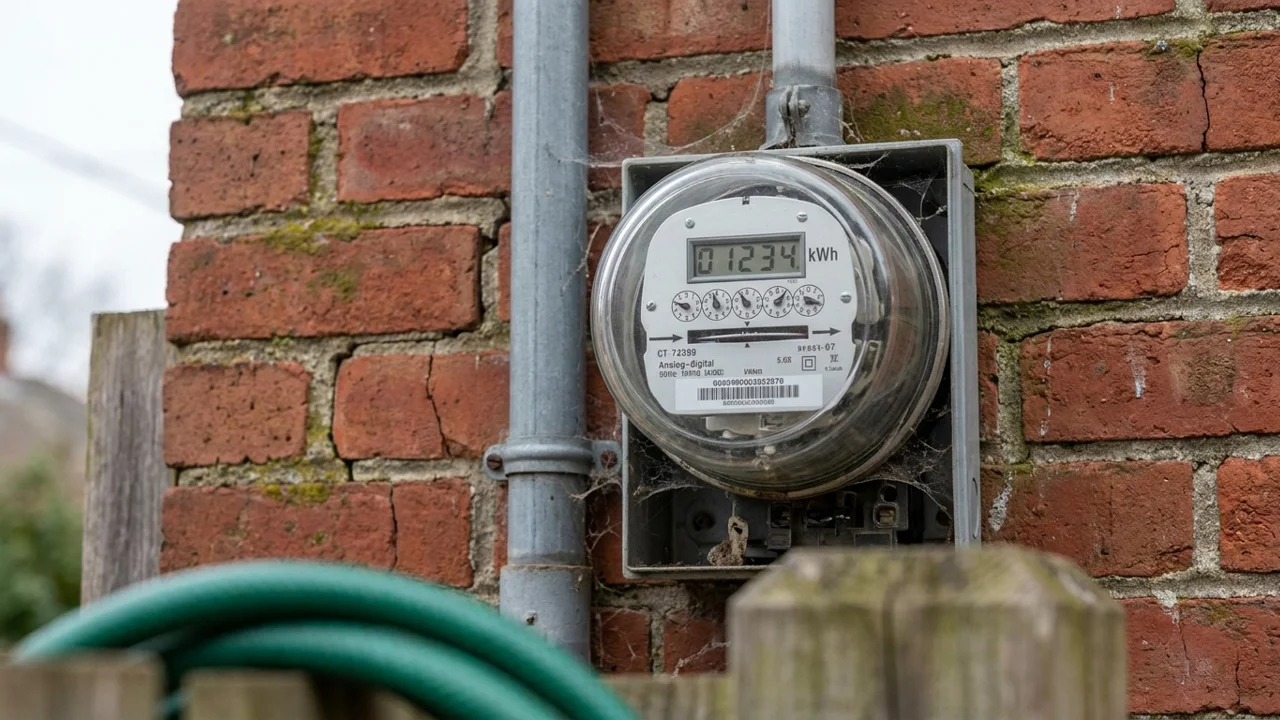
Many utilities charge more for electricity during peak hours, usually late afternoon and early evening on weekdays, and less during off-peak hours such as overnight and, on many plans, weekends. If you can move laundry, dishwashing or EV charging to cheaper hours, you pay less for the same energy. Our guide on peak and off-peak electricity explains how to find your own schedule. Check your utility’s website or bill for the exact hours, because they differ by provider and season.
The numbers below are typical ranges. Your appliance’s label or manual gives the exact figure.
| Appliance | Typical power | Example: 3 hours of use | Detail |
|---|---|---|---|
| LED light bulb (60 W equivalent) | 8–10 W | About 0.03 kWh | How many watts does a light bulb use |
| Modern LED or LCD TV | 30–150 W (most 40–65 in sets: 50–120 W) | About 0.09–0.45 kWh | How many watts does a TV use |
| Electric oven | 2,000–5,000 W while heating | About 6–15 kWh at full power | Oven and cooktop wattage |
Worked example. A 100 W TV used 4 hours a day uses 0.4 kWh a day. At an example rate of $0.18 per kWh (close to the 2026 U.S. average), that costs about $0.07 a day, or around $26 a year. A 3,000 W oven element running for one hour uses 3 kWh, about $0.54 at the same rate. Per hour, the oven costs far more than a TV, but TVs run many more hours, so over a year they often use more electricity than cooking. The oven also cycles on and off, so its real use is lower than the full rating.
Solar also works for smaller jobs than a full roof system.

If you use more than one panel, the wiring changes the result:
For example, four panels rated about 18 V and 5.5 A each give about 72 V at 5.5 A in series, 18 V at 22 A in parallel, or 36 V at 11 A in a 2-series, 2-parallel layout. The right choice depends on your charge controller or inverter’s voltage and current limits, and shading affects each layout differently. Our guide on connecting solar panels in series or parallel walks through the details. Always compare the string’s open-circuit voltage (Voc), corrected for cold weather, with your equipment’s maximum input voltage before wiring.
If you decide to go from gadgets to rooftop panels, compare buying versus leasing before you sign anything. See also the full solar panels for sale range.
Every small step makes a difference. Know what your devices use, shift work to cheap hours and add a solar gadget or two. Smarter living does not mean giving things up; it means enjoying the same comfort for less.
Most modern LED and LCD TVs use roughly 30 to 150 watts while on, depending on size and brightness settings; typical 40–65 inch sets use about 50 to 120 watts. Check the label for the exact figure.
A modern LED bulb that gives the light of a 60-watt incandescent bulb typically uses 8 to 10 watts.
An electric oven commonly draws about 2,000 to 5,000 watts while the element is heating. It cycles on and off, so average use is lower.
Peak hours are the times when electricity demand and rates are highest, often weekday late afternoons and evenings. Off-peak hours are cheaper, such as overnight and, on many plans, weekends. The exact schedule depends on your utility.
Series adds voltage and keeps current the same. Parallel adds current and keeps voltage the same. Choose based on your charge controller or inverter’s limits and on how much shading you expect.
Divide the watts by 1,000, multiply by hours used, then multiply by your rate per kWh.